• About

Unwanted Advice: Reflections from a Self-Appointed Life Counselor

~ Caminante, no hay camino. Se hace camino al andar. Wayfarer, there is no way. You make a way as you go. (Antonio Machado)

Unwanted Advice: Reflections from a Self-Appointed Life Counselor

Tag Archives: Vinciane Despret

“The terrifying groundlessness, the eradication of all violences. To be embraced by that which doesn’t know us and in that unknowing caresses us and truly loves us. We might become anything at all, something wildly other than what we are encountered by. A world that truly loves us by not presuming what we want or what shape we will take before we show up… We will be held when we are not known from the start.” — Dr. Marquis Bey

06 Monday Jul 2026

Posted by summermlee in Aesthetic philosophy, Art, Birds, Nature, philosophy, Uncategorized

≈ 1 Comment

Tags

art, Étienne Souriau, Being, birding, birds, birdsong, birdwatching, Crossings, death, Dr. Marquis Bey, homecoming, nature, painting, philosophy, Photography, Summer Lee, Summer Mei Ling Lee, tragedy, travel, Vinciane Despret, Virginia Woolf

Last year, there were vireos, grosbeaks, and warblers raining down on me with their song, from their canopy above a steep climb through the pine and aspen canyon, Ouray of the San Juan Mountains. This year a fire erased it all and was still burning as we flew out above the plumes, our pilot making a rubbernecking route as we departed. As we peered out down onto the devastated mountains, my sons held my hand as we ascended, a tradition they still abide by. And I saw the woman behind me from the corner of my eye, crossing herself.

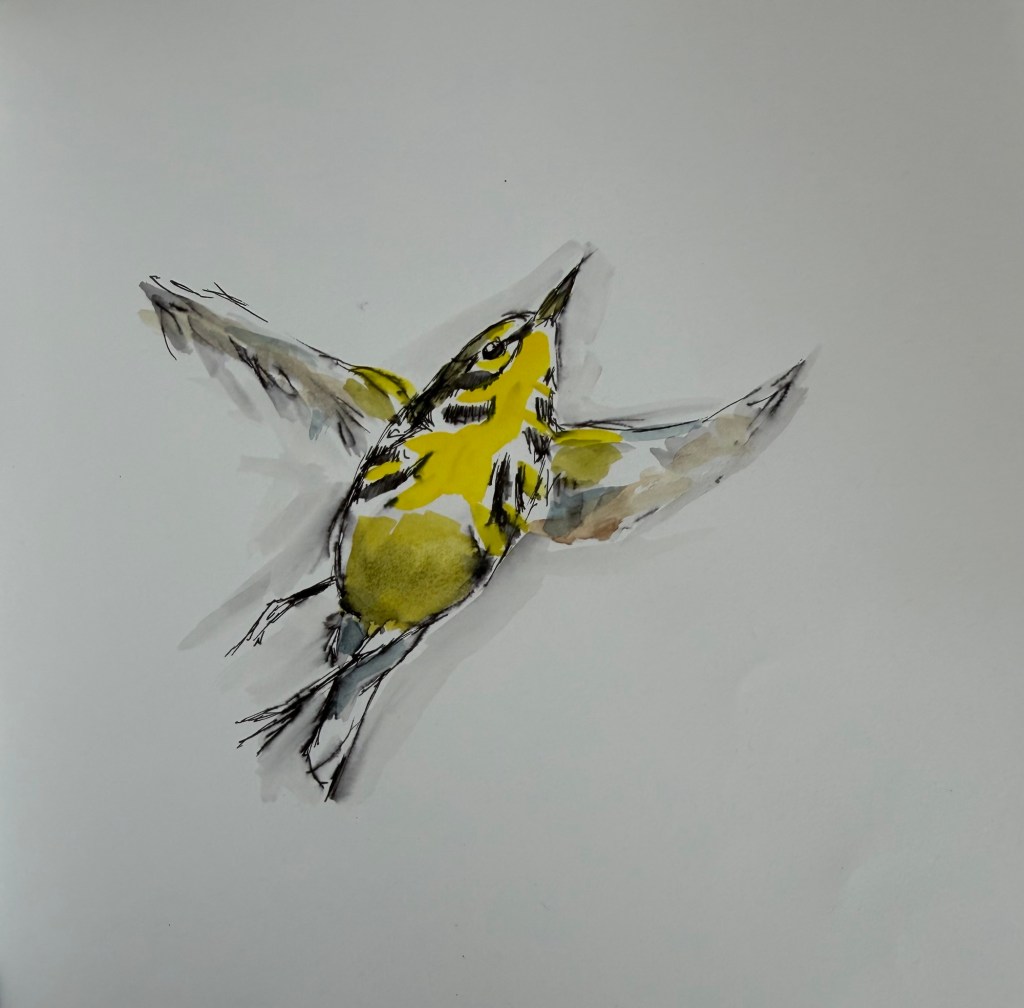
Prairie Warbler, 2025, by Summer Mei Ling Lee

Joseph drove me from that place I freed myself from, where he was a day laborer. He had to change his shirt before he got into the van, where I waited in my impatience to break away. I was reborn like when I collected my kids and my things and my self worth and flew away from her smoldering apartment.

Joseph apologized for keeping me waiting and asked where I was going. Though he meant which hotel, I said I wanted to see his Zambia. Minutes later we were deep in conversation in the local open market. The open aluminum and wood stalls were humming at mid day with babies sleeping in the piles of vegetables and housewares, and women walking in groups with their bags and baskets. I bought vegetables from his aunt, peanuts from a man and his son, and I can’t remember what else, but in a short time his van was full of food. I told Joseph to bring it all home to his wife, what would I do in a hotel with any of that anyway. I was down to my last $20 USD in kwacha, a week’s wages for the better off there, when Joseph said he had understood me now. The last spot he took me was under a tree where women sat on the ground with some vegetables. He told me these women had to take a bus for two hours to arrive to that patch of dirt at the end of the market, to try and sell what little they had. I said for him to pick someone and give her my last bit of money. In a few minutes, he returned to the van with a fistful of onions he threw onto the pile of food. He said the woman was very grateful, told him to tell me thank you, but she had to give me something in return.

I would understand soon that many Zambians were orphaned young, and that famine lingered. They didn’t come out and tell you this directly but a few sentences in and they were missing their mother who was a good church singer, who even while dying asked her son if he had eaten something.

During our drives around the area, Joseph became less a guide and more a confidant. Joseph had some disappointment with his wife, the unfairness at his workplace, the different ways Zambians did things. How his young parents got sick, one after the other, and died. One evening, a story came up that he said he hadn’t told anyone. He had been taken in by an aunt who was mean, making him choose between school and food. He told me more than a few times that he knew what hunger was. He said one night when he was a boy he was dreaming and a voice told him to get up and walk the road. It was 2 am but he did it anyway, along a red dirt road just like the one we were driving along. Pitch darkness except his headlights and our imaginations. He said that he walked about a hundred yards and found coins lying in the dirt. It was enough to let him eat the next day. The next morning no one believed him and he didn’t try to convince them. I said it was an angel, thinking silently to myself about his parents somewhere in a different mode of existence. He said from then on he started to believe in a god, that there was something bigger than all of us that we couldn’t make sense of. His god was loving.

Ten years ago when I had to move thousands of miles away from my native land, I found a nest that fell to the ground in the yard of the home I was about to leave, I separated the fibers and fluff of the nest and sewed them into fifty cards and sent them to everyone across the country and the world who had given me a sense of home. When I told her about the project, she told me, you had to become displaced to find your family.

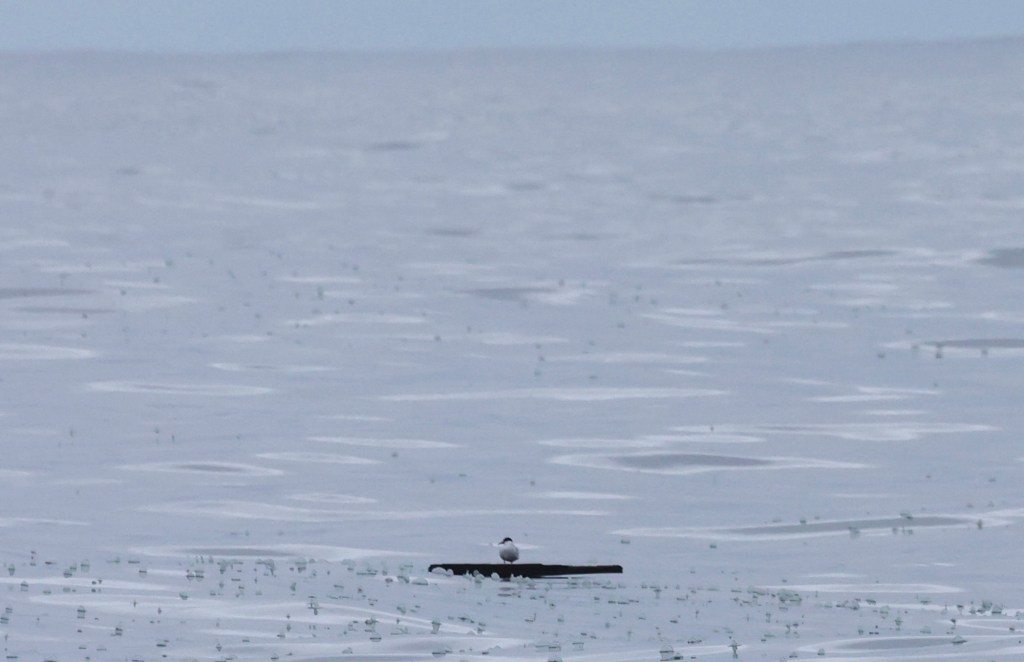
Soon after my time with Joseph, I found myself on four continents within a few months, and home became that tiny piece of driftwood I once photographed, where a Common Tern perched forty miles out at sea with no hint of land anywhere on the horizon.

Adrienne said this is where the utter vastness of patterning arrives to us in 3D rendering. I said Virginia Woolf called it the hidden pattern behind the cotton wool of daily life. I droned on about miracles, and she said: yes, they occur in the crossing, when the pattern breaks through and reminds us of what we are normally cut off from. And then she sent me a poem where multiple realities are happening all at the same time, the most superficial one being a young girl declining a stranger’s invitation.

Are there unlived lives?

Joseph tells me in the same sentence that he is ready to leave the earth, and that he adopted and is raising two orphans of his own.

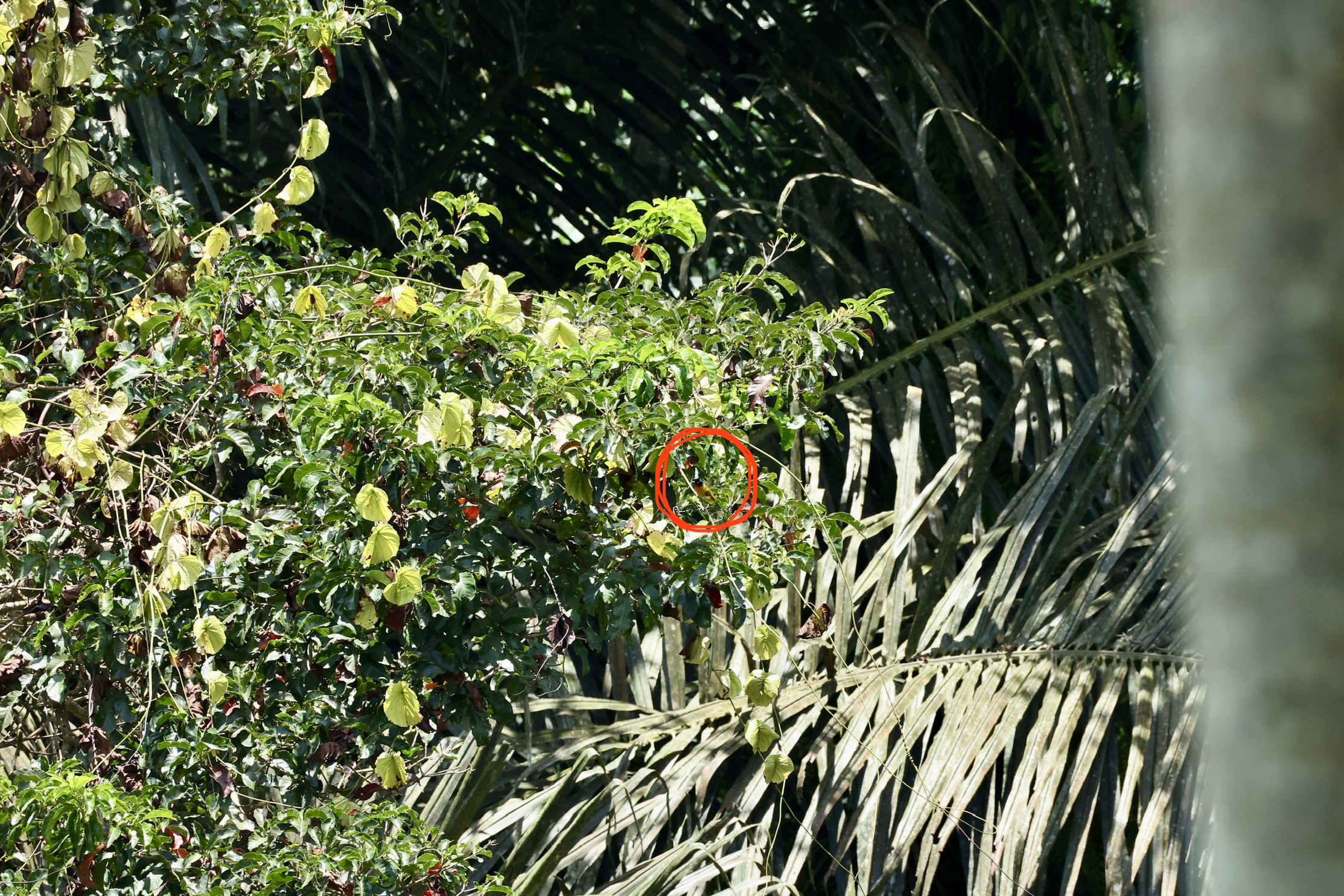
And yesterday, emerging from the smoke of the western Colorado fires, the Black Grosbeak and the Yellow Warbler alight upon branches within feet of each other and despite everything, sing each other into being.

Common Tern, 40 miles west into the Pacific Ocean by Summer Mei Ling Lee, 2026

“For the natural world, the ethical responsibility is that being alive gives existence to others.” Vinciane Despret

24 Saturday May 2025

Posted by summermlee in Aesthetic philosophy, Art, Birds, Nature, philosophy, poetry

≈ 9 Comments

Tags

art, birding, birds, birdwatching, death, Joy, nature, philosophy, Photography, poetry, Summer Lee, Summer Mei Ling Lee, therapy, Vinciane Despret, wildlife, writing

Chestnut-backed Chickadee is very dutiful to the nest in our backyard, one that we have followed for years via the bizarre technology of micro-cameras in nest boxes and our large screen TV. Precariously late in the season this time around, she laid two eggs and sat on them for over three weeks, not realizing the eggs were no longer viable. I tried very hard not to associate this failure, our first ever, with the invisible warfare around me. But the experience of her tiny, formidable body in the middle of the night pulsing rhythmically on those two non-viable eggs crescendoed into a menacing dread.

Eventually the internet registered an obituary for my therapist, confirming that she succeeded finally in terminating our sessions for the reason she said, and not because she needed a big excuse to overcome my refusal. She made it 10 months after the day she left me that voice message explaining she needed to end our 10+ year project. When I found the obit, I immediately replayed that voicemail to join the real voice to the disembodied voice in my head that arises when things are emotionally grueling. This time around, I heard what I missed before: she was holding the space for me when she was reckoning with only 10 months of space ahead of her.

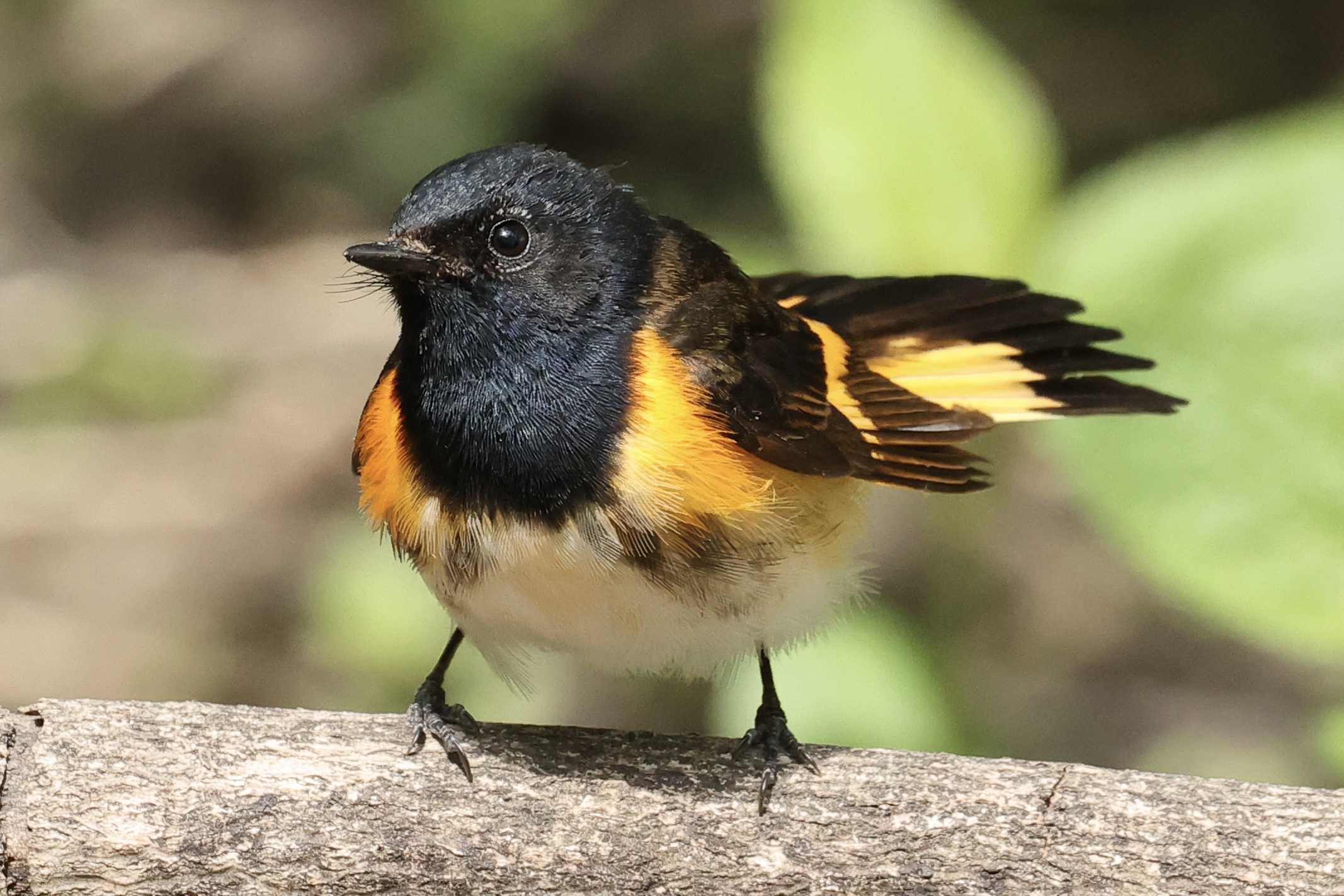
American Redstart, North branch of the Chicago River, May 2025, by Summer Mei Ling Lee

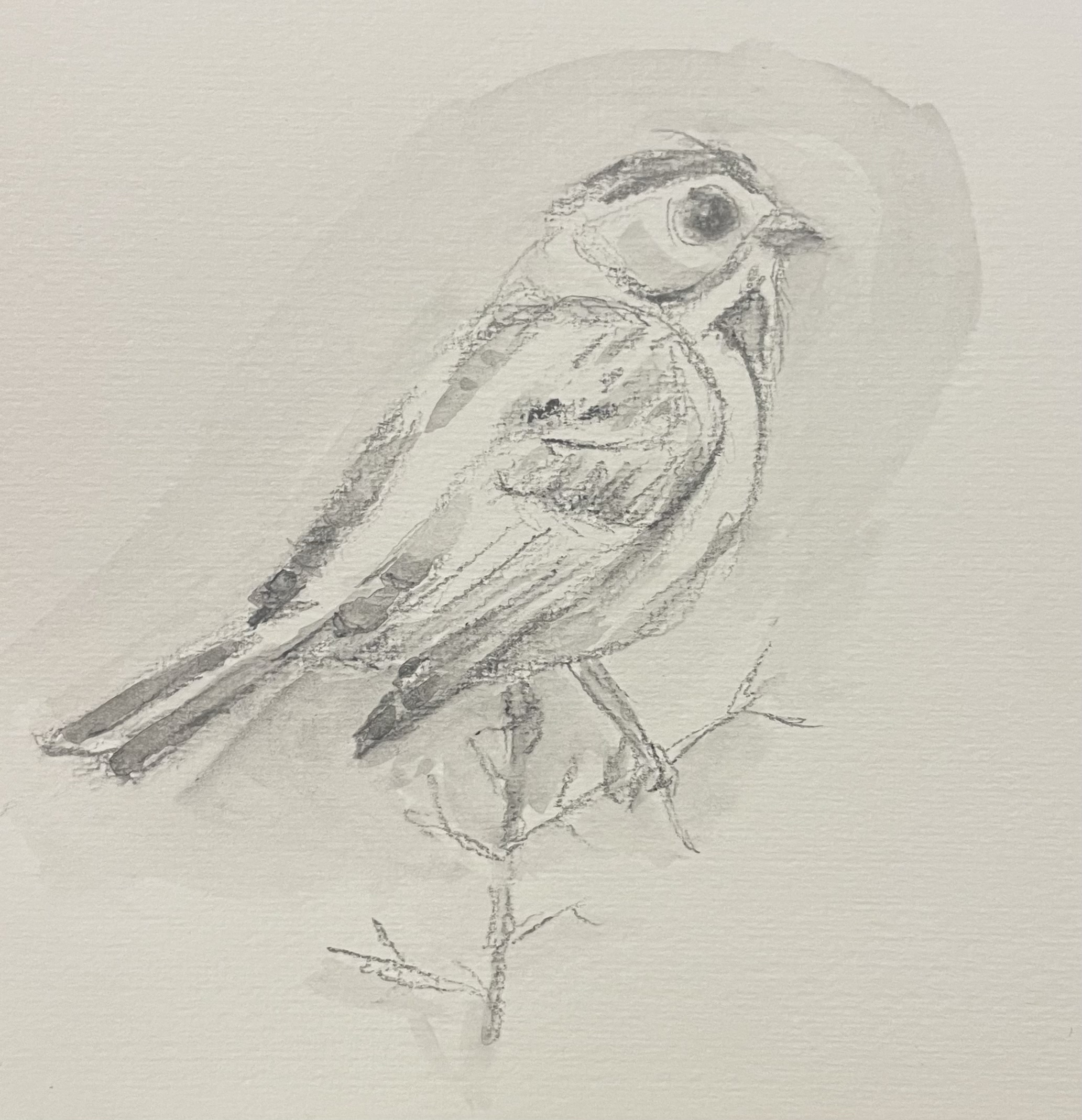
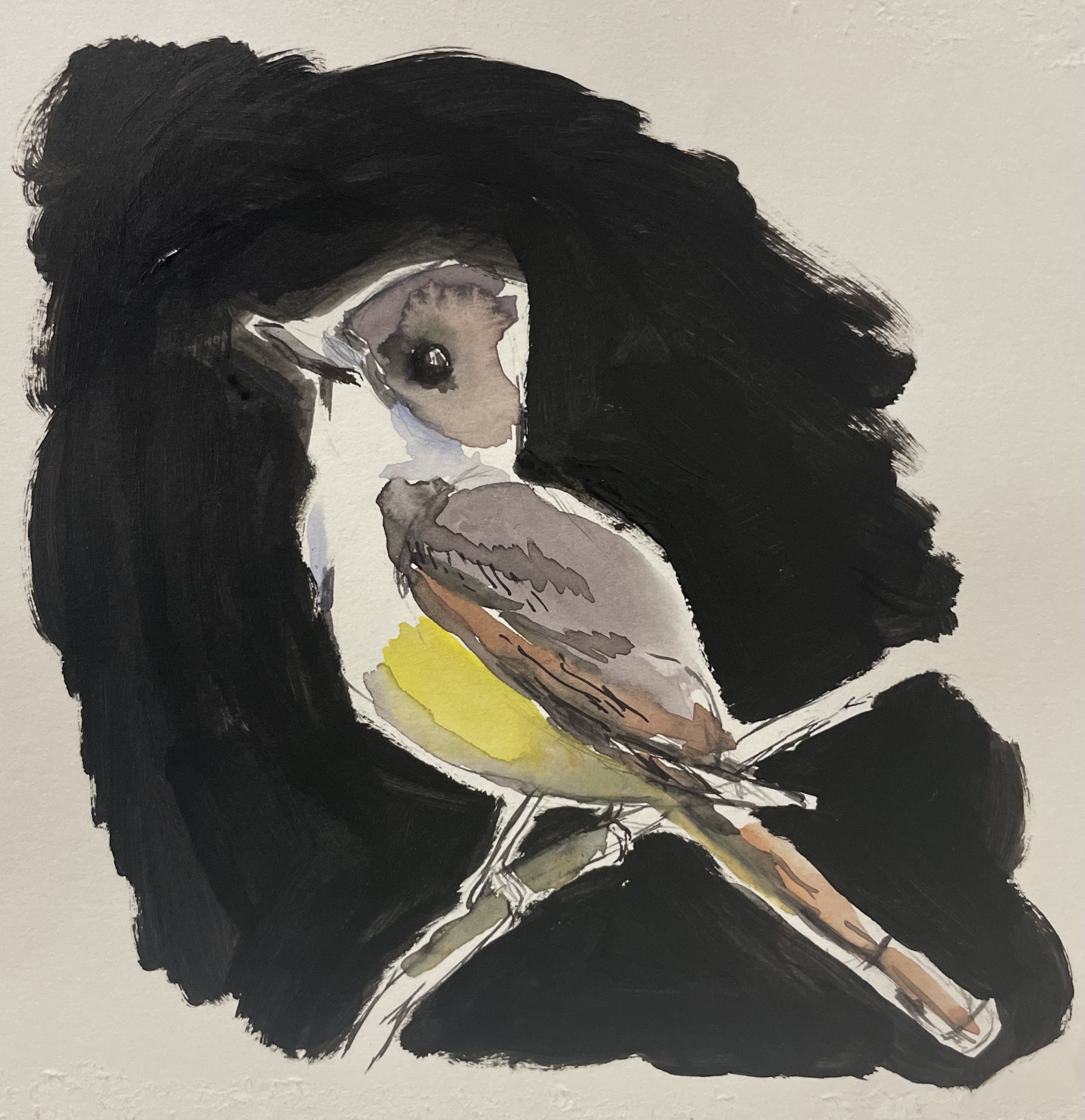
I was in London when she called, and had just sat breathless through one of those explosive Italian operas where people cheat and lie for dumb human reasons, and then the most innocent die while the egomaniacal people are guilty too little, too late. So I had a lot to cry about, losing her as a therapist and the world imminently losing a good soul. I drew her a bird that came out faint and shy-looking, with big eyes, and singing, probably a good simulacrum of her. Behind it, I wrote a William Stafford poem and told her she was the coach I always wanted to see down the third base line when I had to go up to bat, bases loaded, two outs, several runs behind, and someone just handed me a bat with a hole in the middle of it. She knew well the type of coaches I mostly had who motivated players through tyranny or perfectionism, like my inner one. I reminded her of the times early on when she had me call her first thing in the morning to let her know if I had faced the specters in the dark night of the soul. We both know she never billed me nonetheless mentioned how those calls were not in the schedule.

She answered back to my bird card on Christmas Eve saying in her midwestern way that my words meant a great deal to her, and added her best wishes as we moved from the darker part of the year into the growing light.

Back to a few days ago, what I could hear most of all in that voicemail, is that she seemed fulfilled to reflect on how much I had grown in those 10 years, and as with the best gifts, the beauty of our work was there not because of anything I particularly did, but as an aleatory result of her long career of studying, listening, and supporting hundreds of people long before I even came along.

I took these tears back to the bridge overlooking the north fork of the Chicago river, a river whose direction was reversed in the industrial age, because that seemed easier than stopping the pollution of it. My therapist and I had many reveries about rivers. My favorite ones being about smashing into the banks, sometimes recklessly, and needing to course-correct. At times, I think she was white knuckling the oars for me more than I was.

Her bird drawing, by Summer Mei Ling Lee, 2024

Now over this bridge and this river, warblers of twenty-plus species and an endless palette of colors filled the trees along the banks as far as one could see downstream, like bits of popcorn flitting over the water from the greenery and back. And as not often happens, my fellow birders in our exuberant yearly reunion fell silent. I thought of Craig, to take his palpable silence around all the trailbends of the area and summon him here.

I am sorry that I want so badly and try every time to put words to these moments: these fragile, tiny, colorful birds dropping down out of the darkness, somewhere along the middle of their thousand-mile migrations, just where I happen to be. How we greet them, try to still them, what they say to us. And then what we say to each other. Even to those who are no longer here.

When I returned home with a camera heavy with hundreds of blurred warbler photos, my boys’ hands tired of feeding Chicago chickadees, I overcame my dread and turned on our chickadee TV. Oh god, I mumbled as her body was still curled on that nest, breathing heavily. “What is it, mama?” She still doesn’t know.

As the day opened up, she finally moved off the nest to go forage for a snack. And there in her place were 5 more eggs.

“The subject is only the transient addressee of the verb which seizes it. Every subject is in a becoming not only of their own action but in the multiplicity of actions that overflow them.” Interview with Vinciane Despret, Grimté, January 23, 2023.

“We meet in the freedoms of each other.” – Takeyoshi Nishiuchi

02 Sunday Mar 2025

Posted by summermlee in Aesthetic philosophy, Art, Birds, Nature, philosophy, poetry, Uncategorized

≈ 3 Comments

Tags

birding, birds, birdwatching, climate change, Endangered Species, environmental activism, George Steiner, Joy, nature, oligarchy, philisophy, poetry, Qi Bashi, Rumi, Summer Lee, Takeyoshi Nishiuchi, tech, Vinciane Despret, wildlife

Joy, she said way before any of this happened, is the enemy of fascism, as totalitarianism capitalizes on anger and despair.

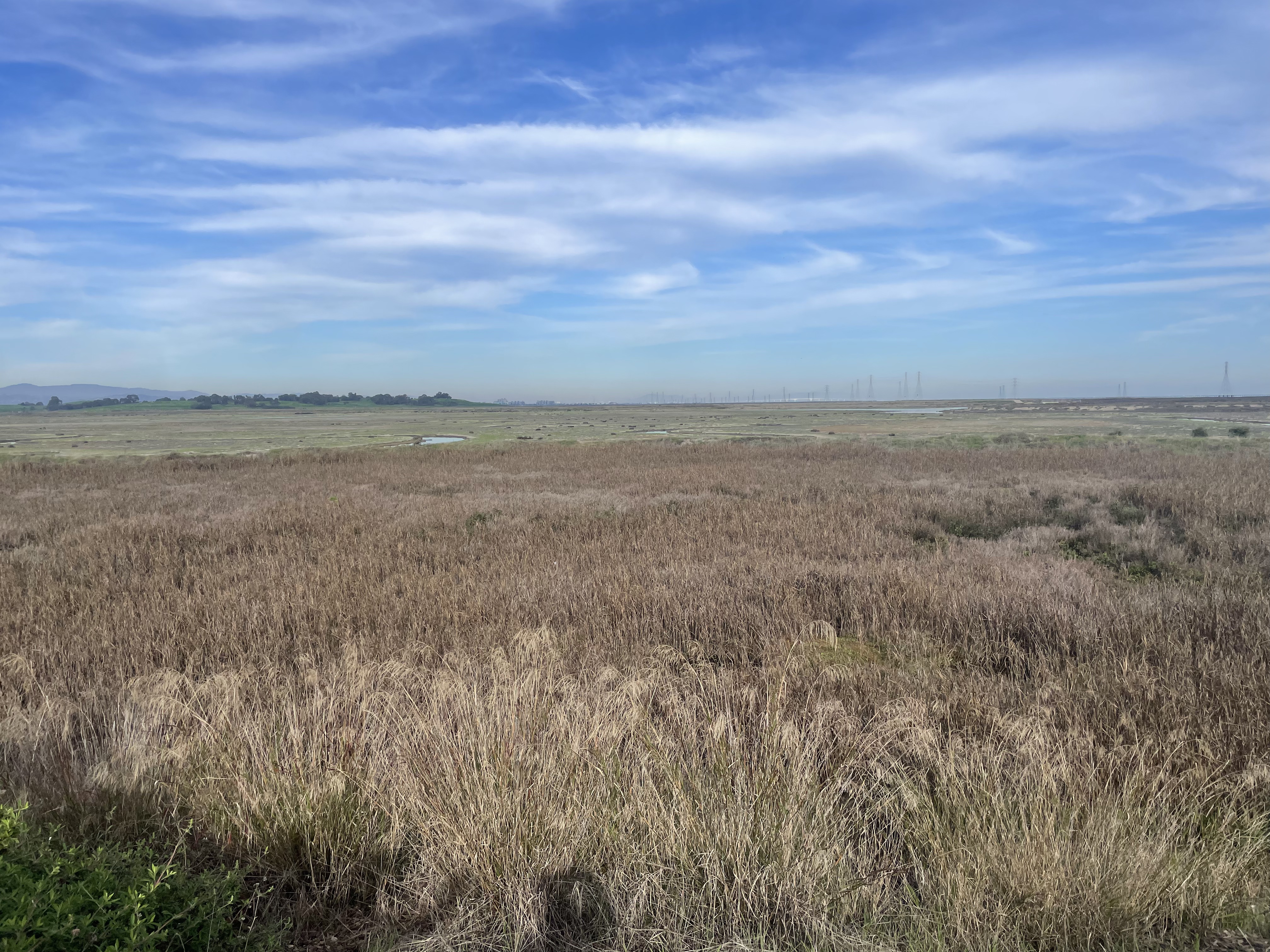
The poisoning of our country has not yet seeped into the living and dining rooms of most people here yet. So it is in that collective cloud of comfort and yet palpable menace, I am standing in the miraculous California February sun, on the periphery between a Silicon Valley oligarch’s “campus” (George Steiner would connect their bastardization of words to our current godlessness) and the tidal estuary that remains at the edge of the San Francisco Bay. The serpentine line between the dystopic tech “architecture” and the diminishing marshland wilderness is this narrow crushed granite trail, the perverted indexical residue of environmental activists’ defeat — “put a nature trail on it.”

It is today, here on that consolation trail for birdwatchers, where my friend Chris heard what was thought to be extinct in our county: a Black Rail, a bird no bigger than a mouse, last heard nonetheless seen 15 years ago. So when my friend notified a few others, Ron went out immediately, the top county birder many generations over. Yes, these birders are temples of knowledge.

In his reverie, Ron cursed the tech company, but cried in joy. The persistence of a little marsh bird, a bird that only vocalizes for a couple of weeks a year in preparation for mating, in its hope of continuing its lineage since the dinosaur era, in a territory that in my lifetime with rising sea waters will be gone.

Photo by Summer Lee, where we heard the Black Rail. 2025.

But the computer world, no matter how much they built into our Bay, will always be mere simulacrum of what is sensate and experiential. It will always be the lesser substitute for life. My friend Leah’s psychoanalytic school shares two talks in the same week: “Submission as a response to trauma” and “Psychoanalytic perspectives on the unfolding global environmental catastrophe.” Children (we are all of us still children) accept abuse if it means we will survive, and we are unable to accept the slow violence of environmental degradation — the disavowal of our connection to each other and the natural world. She describes these talks as a series for an emotionally devastating curriculum.

So: Joy, joy and enthusiasm.

To find joy in the presence of other living things, Despret tells us. Our ethical obligation as living beings is to give existence to other living beings. That vestigial impulse is what sets me out here with these little words and paintings. Let me give exuberant breath to that friend who died, to those feathers she sent me, to that bird I only could hear but whose plaintive chirps filled my imagination with a wondrous swirl of hope and persistence — and with it, the fragile dignity of humanity. Right there in that crushed granite borderland between marsh and man, that periphery. Under the embrace of the California sun, next to the San Francisco Bay were once an ancient civilization thrived, today on the precipice of another unknown season, whether migratory or breeding.

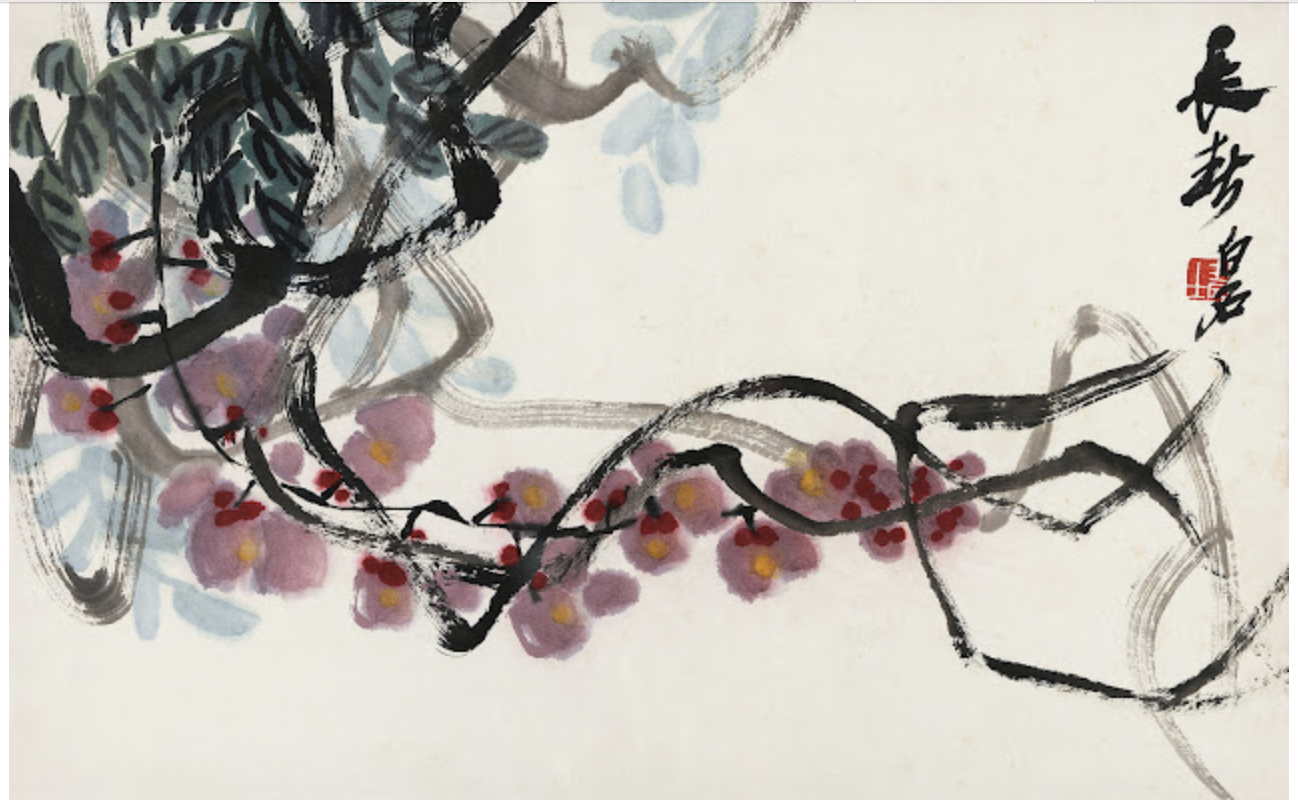
Ink Painting by Qi Bashi (1864-1957)

“What if a man cannot be made to say anything?
How do you learn his hidden nature?

I sit in front of him in silence,
and set up a ladder made of patience,
and if in his presence a language from beyond joy
and beyond grief begins to pour from my chest,
I know that his soul is as deep and bright
as the star Canopus rising over Yemen.

And so when I start speaking a powerful right arm
of words sweeping down, I know him from what I say,
and how I say it, because there’s a window open
between us, mixing the night air of our beings.”

— Rumi

“Those with wings, those without, / the ghosts of the heart / — whose hunger is a dress for my song.” — Brigit Pegan Kelly

02 Thursday Jan 2025

Posted by summermlee in Aesthetic philosophy, Art, Birds, Nature, philosophy, poetry, Uncategorized

≈ 4 Comments

Tags

art, birding, birds, birdwatching, death, Loss, Memory, nature, Paul Celan, philosophy, Photography, poetry, Shakespeare, Summer Lee, Summer Mei Ling Lee, Vinciane Despret, wildlife

681.

To measure a life from the periphery.

The periphery is where birds live now, eking out existence in our built environment. Vinciane Despret also explains the periphery as where two conflicting demands can be held together in a vitalization resulting from those clashes and stimulation. It is where birds sing their territory. It is where nature and human modernity meet. It is the veil through which we mortals greet our disappearance. In its intensification of the things that aren’t yet perceived, the periphery is the place of artistic creation.

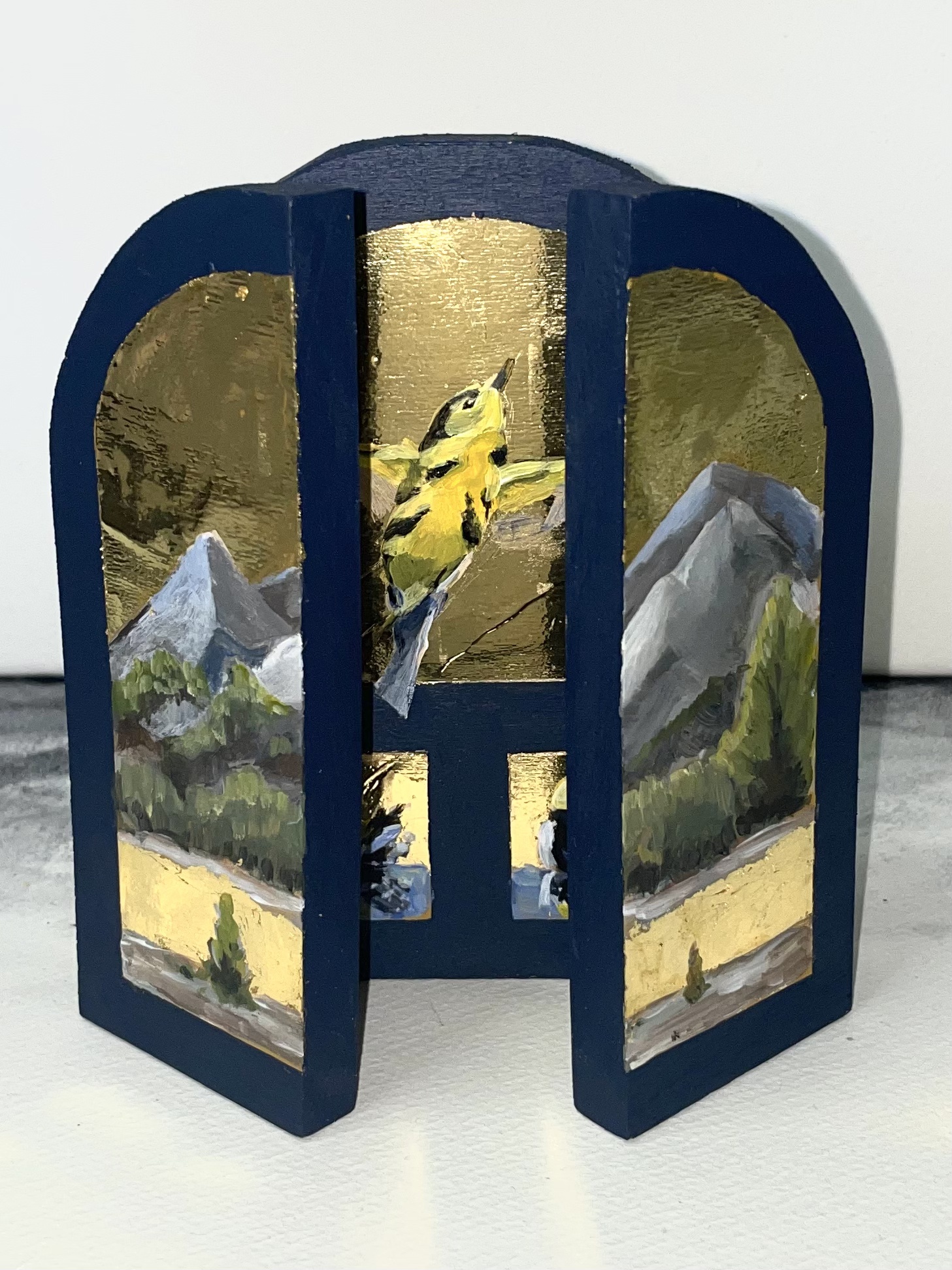
Annunciation VIII, by Summer Mei Ling Lee, 2024. Paint and gold leaf on wood.

Once I was at the periphery where on one side I would be ok, the other I would not. The place one arrives to after the loss of beloved things, which mostly reveals the limitations of my scaffolding and confabulations. I ended up in her office. She was a midwesterner, a plain and small, older woman who had come out of the managed healthcare system. I plainly admitted that my terror was that I couldn’t be helped.

The best healers do not make interpretations behind the backs of their patients. They resist the “simulacrum of intelligence on the back of the stupidity of others.” There on that clinical couch of her spartan and chilly office, just when I trembled in the anxiety of being a lost cause, she rolled her chair towards me and she reached her hand to firmly hold mine. She said sternly and confidently that she could help me. By grabbing me, she broke through that boundary of professional etiquette. But even more I registered that she didn’t know she was going to do that. She had the strength to answer to the moment. And that spontaneous responsiveness was real strength that no one can train for or read about or theorize.

After 10 years of seeing her, and after the last three years of nudges to fledge me, her cancer returned. She retired and flung me out into the wilderness. There is nothing more I could say or ask for — there is nothing left to explain. I drew a bird and sent it to her.

I might have been satisfied by the 35 or so anytime in my yard, but this past year I saw 277 different species of birds, right here in my own county, where I was born and raised. I saw 481 different species everywhere I wandered off to. In perspective, this year there were 4 other birders in my county who saw more birds than I did, and hundreds who saw more than I did throughout the world. Still, I abandoned myself to an attention that brought me into an intimacy with my native land outside my immediate yard.

This native land consists of precise sachets of memories as much as ecological specialization. One particular species of gull prefers one beach over the others, because the fresh water they need to survive pours into the ocean where the sands are flatter and can host more crustaceans they are specialized in eating. It is one beach out of dozens where we sifted through hundreds of gulls to try to find one rare gull, the first Siberian visitor to the continental US. It was the same beach where I was many times a near-hypothermic child who couldn’t resist the Pacific water tumbling over my feet, watching the sand bubble up where those crustaceans bury themselves before the next wave.

For 7 years in a row, Tufted Duck, off-course from Europe, wintered on a pond near an athletic club, where for our last day of high school our entire class spent the night, one last time together, signing yearbooks and playing ping pong. And then the next morning we dispersed into the rest of our lives. This year, Tufted Duck did not return.

While I was in the void 30 miles west on the Pacific Ocean, far from any landforms on the horizon, looking for migrating Arctic Terns and Sabine’s Gulls, thousands of dolphins suddenly broke the surface of the water as far as one could see. Just as quickly as they had rendered us ecstatic, they disappeared back into the void.

And along the ridge on which at 16 years old I first kissed a woman, there is a migratory path for Varied Thrushes, and when we were greeting them, a species of Crossbill touched down into a small pine in front of us — Cassia Crossbill, for the first time ever recorded, had immigrated into my county, crossing over the Sierras from its decimated forests of Idaho. The only way to know is by recording their calls and sending it in for confirmation from those who obscurely dedicate themselves to such distinctions.

I won’t bore you much longer, but maybe it is more imaginable now why Pietro and I sharing only broken English could spend two straight days together, seeing 102 species in a delta half-way between Africa and Siberia, and never stop talking about them. A Little Owl in the early dawn light, perched on the eave of an abandoned building, then the warming updrafts conjured a Red Kite over the hills. Until sitting in the dark in a field behind his hometown, as shadows of Eurasian Woodcocks sailed over us from the stand of pines into their nightly roost in the plowed field. And even later than that, owls circled around us, barely perceptible like swirling apparitions of the imagination. Whether they were one species or another, and all the stories in between, was more than enough to fill a conversation on the rural roads back to my farmstead.

A man a continent away who knows what arrives on different directions of winds, who prefers the slopes of certain beaches, and what happens on foreign trees and in pockets of warm air of his region — as I am coming to know mine. We also witness too closely, bird by bird, the horrors of modernity — the loss of habitat to human profit, the flippant carelessness away from Being — threatening to ruin it all.

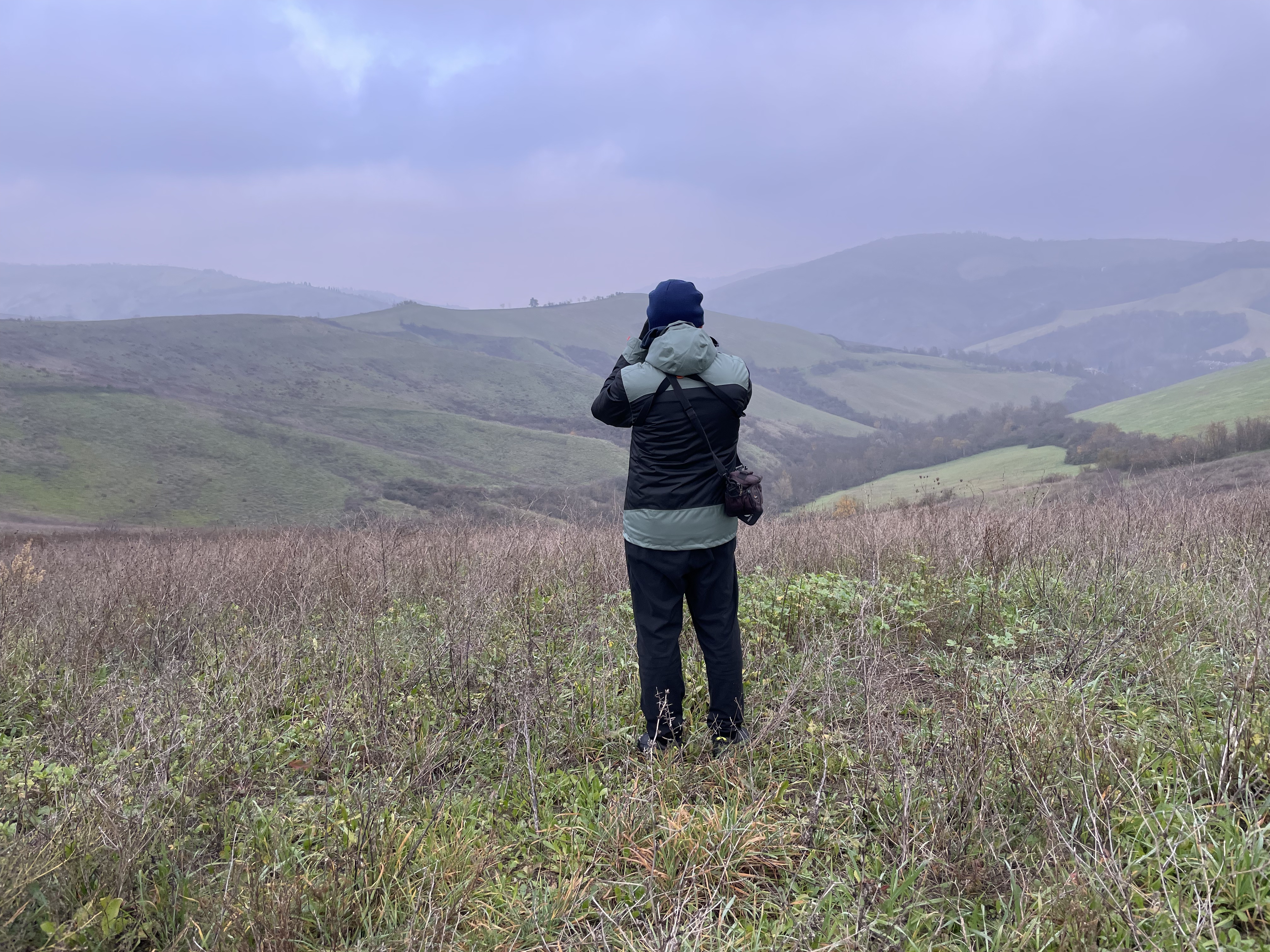
Pietro on the third day, and the hills of Bologna, 2024.

As things slip away, like Tufted Duck, as they do when one realizes life in years is more over than it is beginning, time on the periphery becomes more precious and any aliveness, wretched or wonderful, can be understood as bittersweet. Abundance. And god help me, there is also the sting of every time I fell short of love.

680. (Malia Defelice’s 400th county bird). Watercolor by Summer Mei Ling Lee, 2024.

“It gleamed.” Tenebrae, by Paul Celan

“But these blinds birds made of paper could not recognize my father. In vain did he call them with the old formulas, in the forgotten language of the birds — they did not hear him nor see him. All of a sudden, stones began to whistle through the air. The merrymakers, the stupid, thoughtless people had begun to throw them into the fantastic bird-filled sky.” The Night of the Great Season, Bruno Schulz.

27 Friday Oct 2023

Posted by summermlee in Advice, Aesthetic philosophy, Art, Birds, Nature, philosophy, Uncategorized

≈ 2 Comments

Tags

Alice Bach, anthropocene, art, birds, birdwatching, Bruno Schulz, Connection, creative drive, creativity, Donna Haraway, nature, painting, philisophy, Summer Lee, Summer Mei Ling Lee, Vinciane Despret, writing

She asked me earnestly, in the context of a conversation about the war in the Middle East, does a bird I see also bring about the despair that birds are vanishing.

Counting birds is perhaps a futile defense against their disappearance. Even according to the software that I use to collect bird sightings, the bird closest to me doesn’t count. Neither do the birds in the wild who are escapees — and aren’t we all an escaped being of some sort? Nor do the birds who are introduced here and are considered invasive. Colonial human projections run everywhere, even into the bird world.

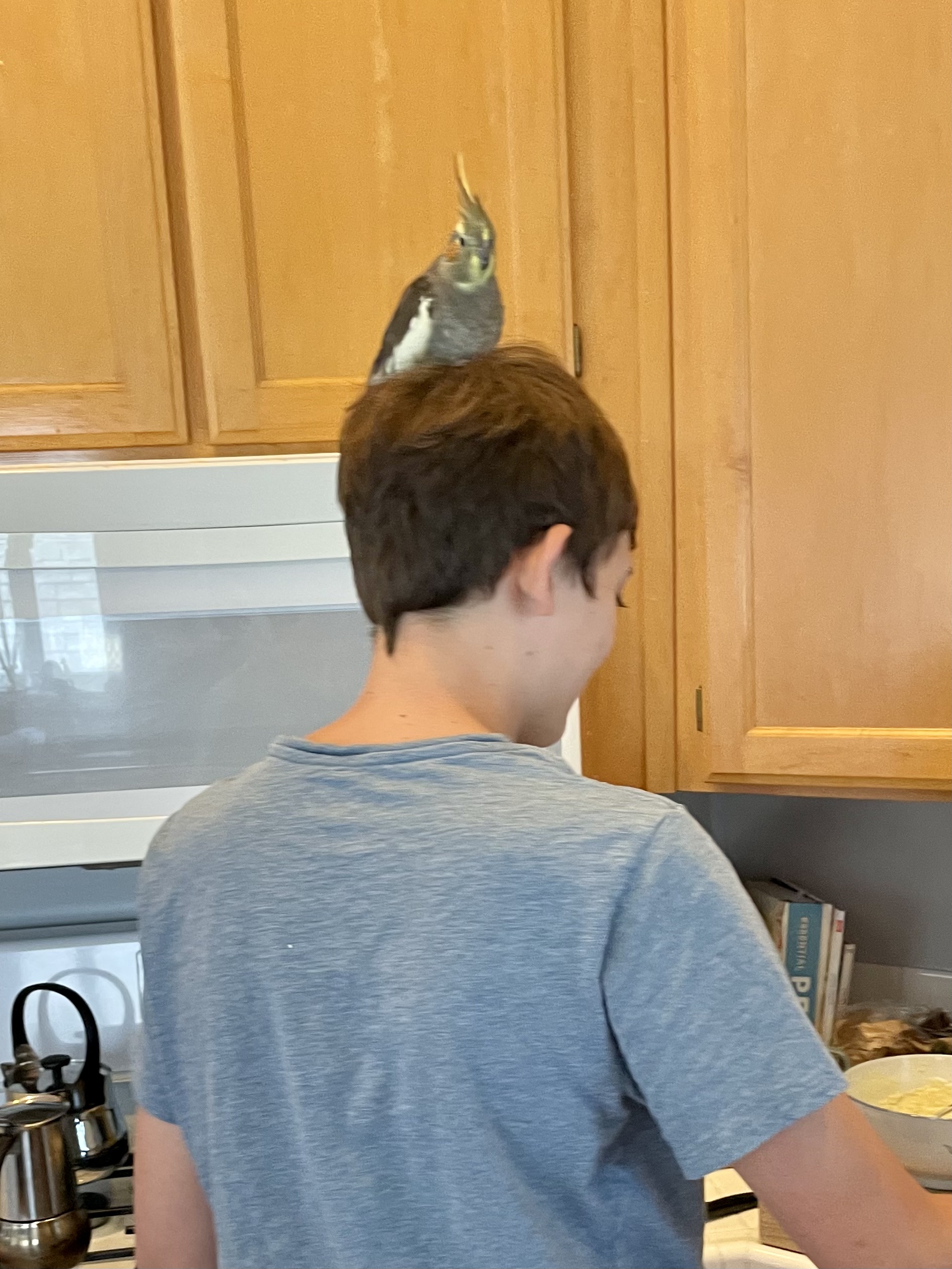
The bird in closest proximity, my son’s pet bird.

I listen to a lot of Vinciane Despret these days who speaks about the creative drive in relation to birds and the dead. She describes when a bird dies on the surface of the ocean it feeds life down into the depths of the ocean floor, and that for the natural world the ethical responsibility is that being alive gives existence to others.

Writing, a story, then puts words in a certain order to bring something into existence that was formerly a blank space on this screen. And some of us know that an animal can leave a similar trace, Despret describes, as in the way birds manage time with song, or a wolf paw print in the mud leaves pheromones. She adds, these traces are just the beginning of a story. And these are ephemeral stories (my favorite artists play with ephemerality), just like an oral history but no less important than the ones written down. She asks us, what capacities did the bird or the wolf have to acquire in order to live with each other. And as my great aunt Marguerite reminds us, what did the 5 generations of people before me enact upon each other, and is in turn enacted upon me?

Forgive me as I use more of these words to sweep up the mess of words I am creating.

Sometimes, the words people send me, the feathers they find, the scribbles, underlined passages, my memories of their presences and absences: they swirl into words and form a clearing where I glimpse the hidden pattern of things. And before it slips away I have to give testimony: these words, the paint, the connections we have, they all play upon me, just as pianists describe how a piano at some point plays them. Just like Alice, now gone, is still in my words reverberating here. Just how the birds in the field this morning made me late to the studio, where I hear the upstairs woman raging from her cage. And how my son chirps like his pet bird when he makes a bid for my connection.

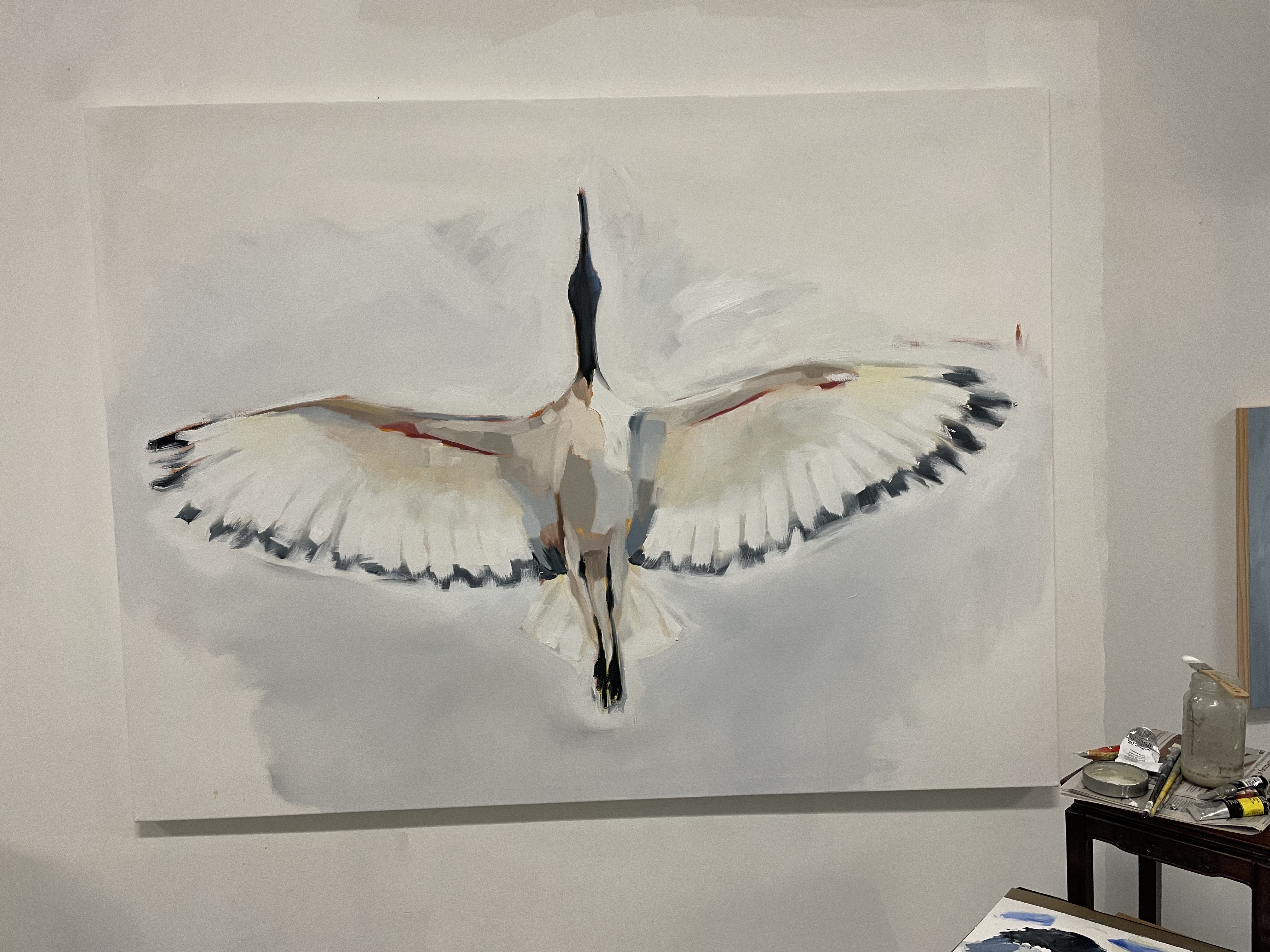
A painting in progress, 2023. Summer Mei Ling Lee.

What is wondrous is that there are luxuries and gifts that you and the birds have shown me. That a feather is for warmth, but it doesn’t need to glint in the sun as metallic blue only for survival. And when Caroline sends me the image of one fallen along her walk, there is a ballooning of connection to her and all things. As is when Nathan says the birds outside his home were reflected inside and every line of writing he has lovingly sent me. The image of a list of every creature that Eva painted onto a hidden board of a home she was leaving forever: There is pleasure in singing — and no, not every part of a song can be minimized down to utility or survival. If you have ever heard a bird sing outside of mating season, after a cold night when the low sun casts warmth, even before the bugs start rising, you know. What is extra, luxurious, is beauty. And now, through these words that will up and disappear, I can see some inkling of the productivity of my life, never measured by wage or even number of paintings, or for sure approval. I count “birds” because it reveals a network here available to me and those I love, but really available to all, some discovered beauty in living and singing it. And we never know for sure how it sinks to the bottom of an ocean and feeds another soul. (And if you have followed me this far you know this is not a beauty of artifice). I want to measure my life in terms of this beauty. “Life, she loves living.”

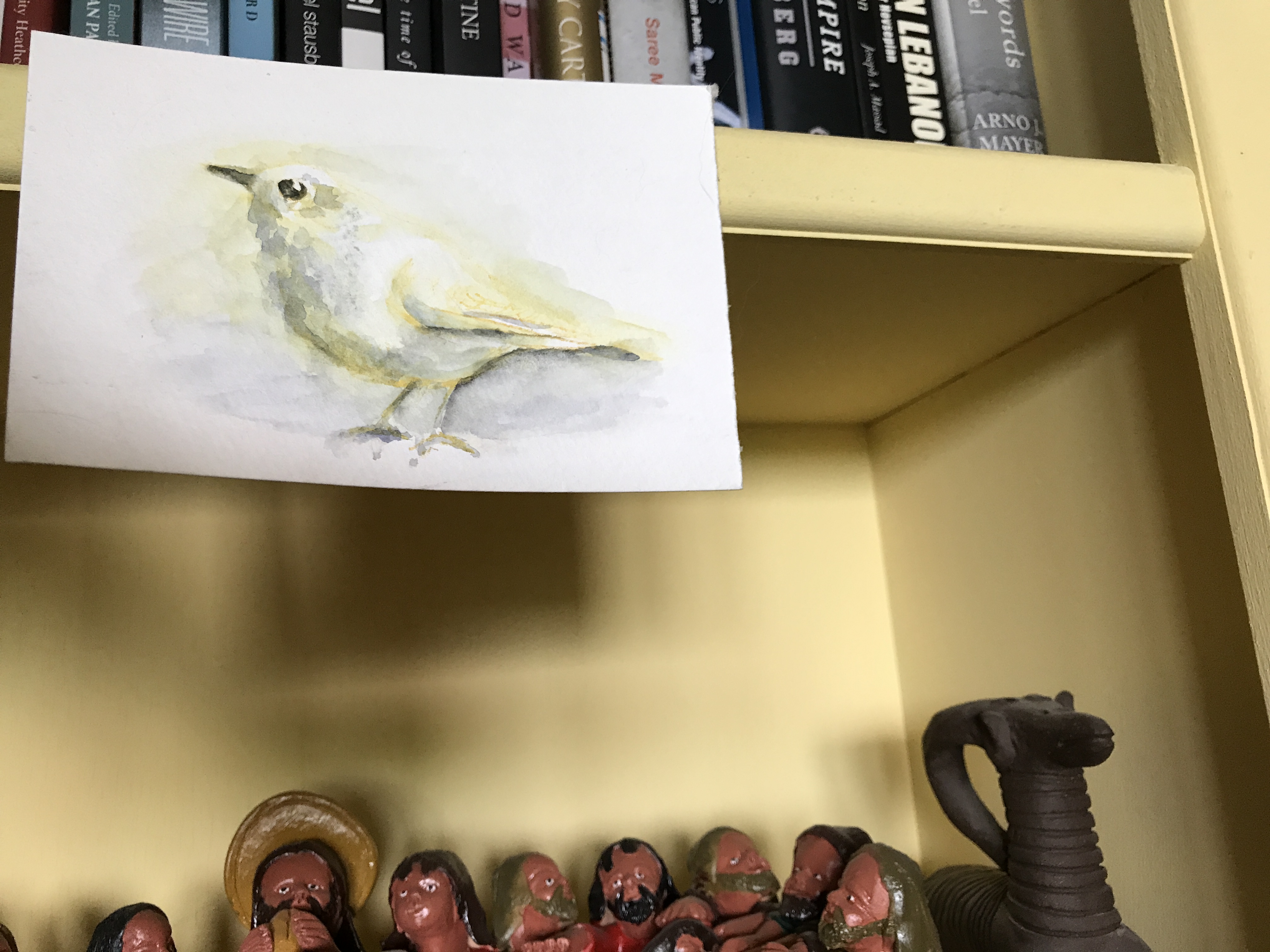
Picture of a bird I sent Alice on her bookshelf, 2017.

“The subject is only the transient addressee of a verb which seizes them.” — Donna Haraway

Enter your email address to subscribe to this blog and receive notifications of new posts by email.

Join 618 other subscribers

Recent Posts

  • “The terrifying groundlessness, the eradication of all violences. To be embraced by that which doesn’t know us and in that unknowing caresses us and truly loves us. We might become anything at all, something wildly other than what we are encountered by. A world that truly loves us by not presuming what we want or what shape we will take before we show up… We will be held when we are not known from the start.” — Dr. Marquis Bey
  • Images dream within us, a reverie is a world of expansion.
  • “For the natural world, the ethical responsibility is that being alive gives existence to others.” Vinciane Despret
  • “We meet in the freedoms of each other.” – Takeyoshi Nishiuchi
  • “Those with wings, those without, / the ghosts of the heart / — whose hunger is a dress for my song.” — Brigit Pegan Kelly

Archived Posts

Blog at WordPress.com.

  • Subscribe Subscribed
    • Unwanted Advice: Reflections from a Self-Appointed Life Counselor
    • Join 214 other subscribers
    • Already have a WordPress.com account? Log in now.
    • Unwanted Advice: Reflections from a Self-Appointed Life Counselor
    • Subscribe Subscribed
    • Sign up
    • Log in
    • Report this content
    • View site in Reader
    • Manage subscriptions
    • Collapse this bar

Loading Comments...