Tags
birding, birds, birdwatching, climate change, Endangered Species, environmental activism, George Steiner, Joy, nature, oligarchy, philisophy, poetry, Qi Bashi, Rumi, Summer Lee, Takeyoshi Nishiuchi, tech, Vinciane Despret, wildlife
Joy, she said way before any of this happened, is the enemy of fascism, as totalitarianism capitalizes on anger and despair.
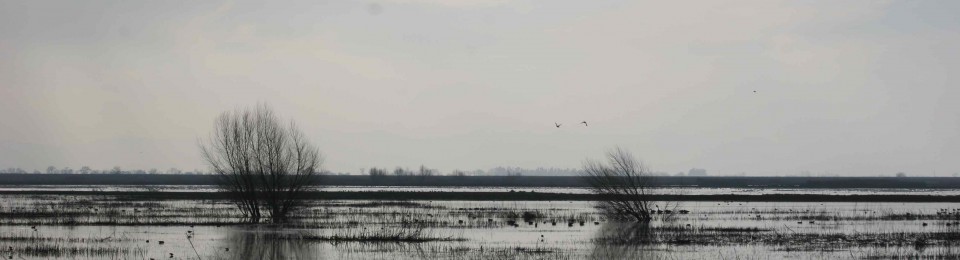
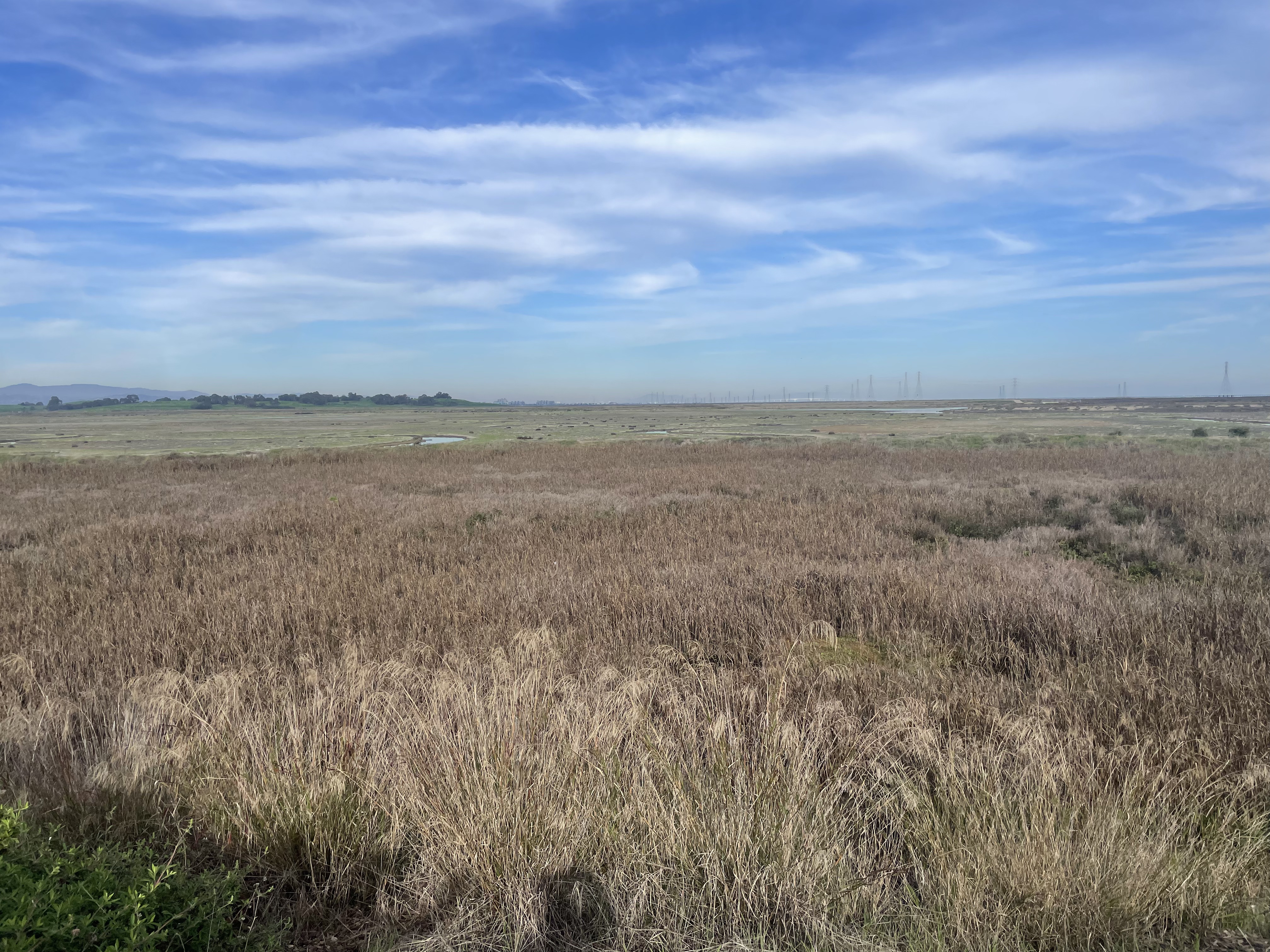
The poisoning of our country has not yet seeped into the living and dining rooms of most people here yet. So it is in that collective cloud of comfort and yet palpable menace, I am standing in the miraculous California February sun, on the periphery between a Silicon Valley oligarch’s “campus” (George Steiner would connect their bastardization of words to our current godlessness) and the tidal estuary that remains at the edge of the San Francisco Bay. The serpentine line between the dystopic tech “architecture” and the diminishing marshland wilderness is this narrow crushed granite trail, the perverted indexical residue of environmental activists’ defeat — “put a nature trail on it.”
It is today, here on that consolation trail for birdwatchers, where my friend Chris heard what was thought to be extinct in our county: a Black Rail, a bird no bigger than a mouse, last heard nonetheless seen 15 years ago. So when my friend notified a few others, Ron went out immediately, the top county birder many generations over. Yes, these birders are temples of knowledge.
In his reverie, Ron cursed the tech company, but cried in joy. The persistence of a little marsh bird, a bird that only vocalizes for a couple of weeks a year in preparation for mating, in its hope of continuing its lineage since the dinosaur era, in a territory that in my lifetime with rising sea waters will be gone.
But the computer world, no matter how much they built into our Bay, will always be mere simulacrum of what is sensate and experiential. It will always be the lesser substitute for life. My friend Leah’s psychoanalytic school shares two talks in the same week: “Submission as a response to trauma” and “Psychoanalytic perspectives on the unfolding global environmental catastrophe.” Children (we are all of us still children) accept abuse if it means we will survive, and we are unable to accept the slow violence of environmental degradation — the disavowal of our connection to each other and the natural world. She describes these talks as a series for an emotionally devastating curriculum.
So: Joy, joy and enthusiasm.
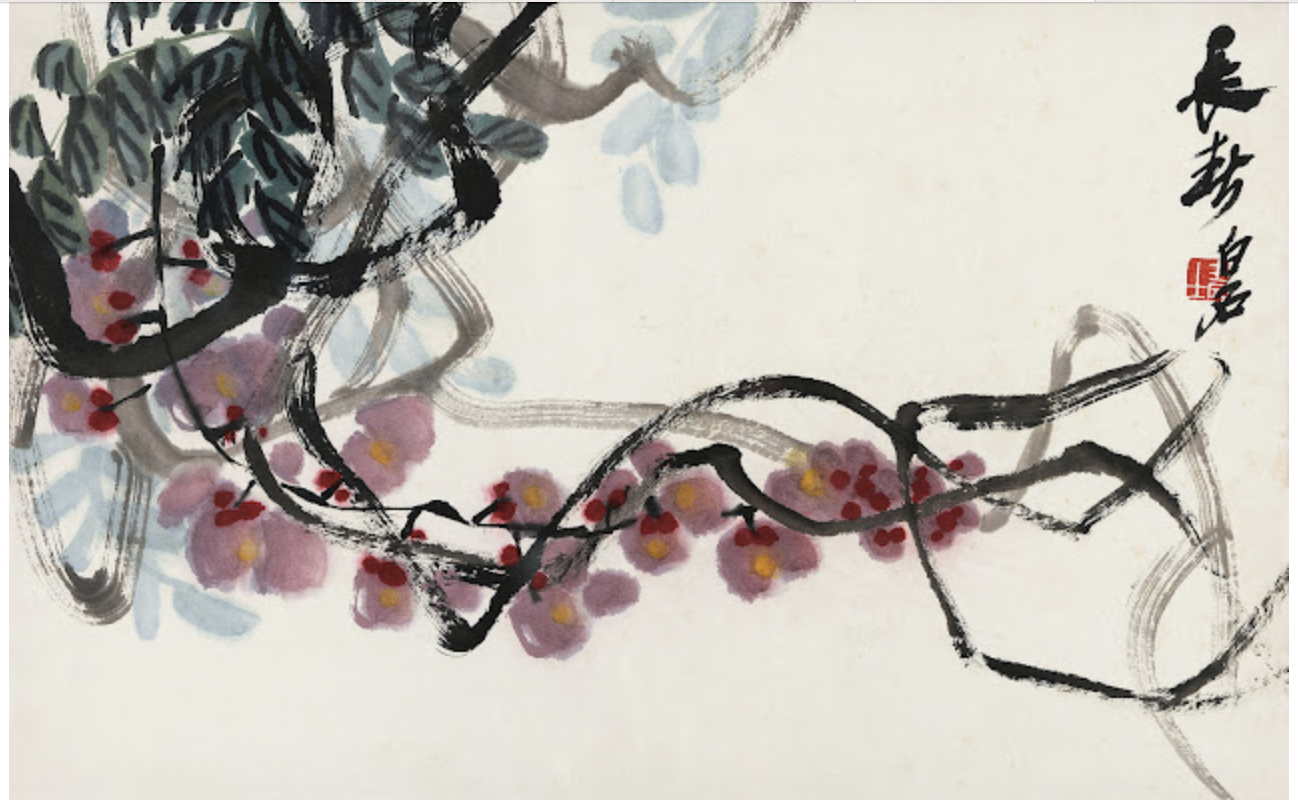
To find joy in the presence of other living things, Despret tells us. Our ethical obligation as living beings is to give existence to other living beings. That vestigial impulse is what sets me out here with these little words and paintings. Let me give exuberant breath to that friend who died, to those feathers she sent me, to that bird I only could hear but whose plaintive chirps filled my imagination with a wondrous swirl of hope and persistence — and with it, the fragile dignity of humanity. Right there in that crushed granite borderland between marsh and man, that periphery. Under the embrace of the California sun, next to the San Francisco Bay were once an ancient civilization thrived, today on the precipice of another unknown season, whether migratory or breeding.
“What if a man cannot be made to say anything?
How do you learn his hidden nature?
I sit in front of him in silence,
and set up a ladder made of patience,
and if in his presence a language from beyond joy
and beyond grief begins to pour from my chest,
I know that his soul is as deep and bright
as the star Canopus rising over Yemen.
And so when I start speaking a powerful right arm
of words sweeping down, I know him from what I say,
and how I say it, because there’s a window open
between us, mixing the night air of our beings.”
— Rumi

