• About

Unwanted Advice: Reflections from a Self-Appointed Life Counselor

~ Caminante, no hay camino. Se hace camino al andar. Wayfarer, there is no way. You make a way as you go. (Antonio Machado)

Unwanted Advice: Reflections from a Self-Appointed Life Counselor

Tag Archives: Étienne Souriau

“The terrifying groundlessness, the eradication of all violences. To be embraced by that which doesn’t know us and in that unknowing caresses us and truly loves us. We might become anything at all, something wildly other than what we are encountered by. A world that truly loves us by not presuming what we want or what shape we will take before we show up… We will be held when we are not known from the start.” — Dr. Marquis Bey

06 Monday Jul 2026

Posted by summermlee in Aesthetic philosophy, Art, Birds, Nature, philosophy, Uncategorized

≈ 1 Comment

Tags

art, Étienne Souriau, Being, birding, birds, birdsong, birdwatching, Crossings, death, Dr. Marquis Bey, homecoming, nature, painting, philosophy, Photography, Summer Lee, Summer Mei Ling Lee, tragedy, travel, Vinciane Despret, Virginia Woolf

Last year, there were vireos, grosbeaks, and warblers raining down on me with their song, from their canopy above a steep climb through the pine and aspen canyon, Ouray of the San Juan Mountains. This year a fire erased it all and was still burning as we flew out above the plumes, our pilot making a rubbernecking route as we departed. As we peered out down onto the devastated mountains, my sons held my hand as we ascended, a tradition they still abide by. And I saw the woman behind me from the corner of my eye, crossing herself.

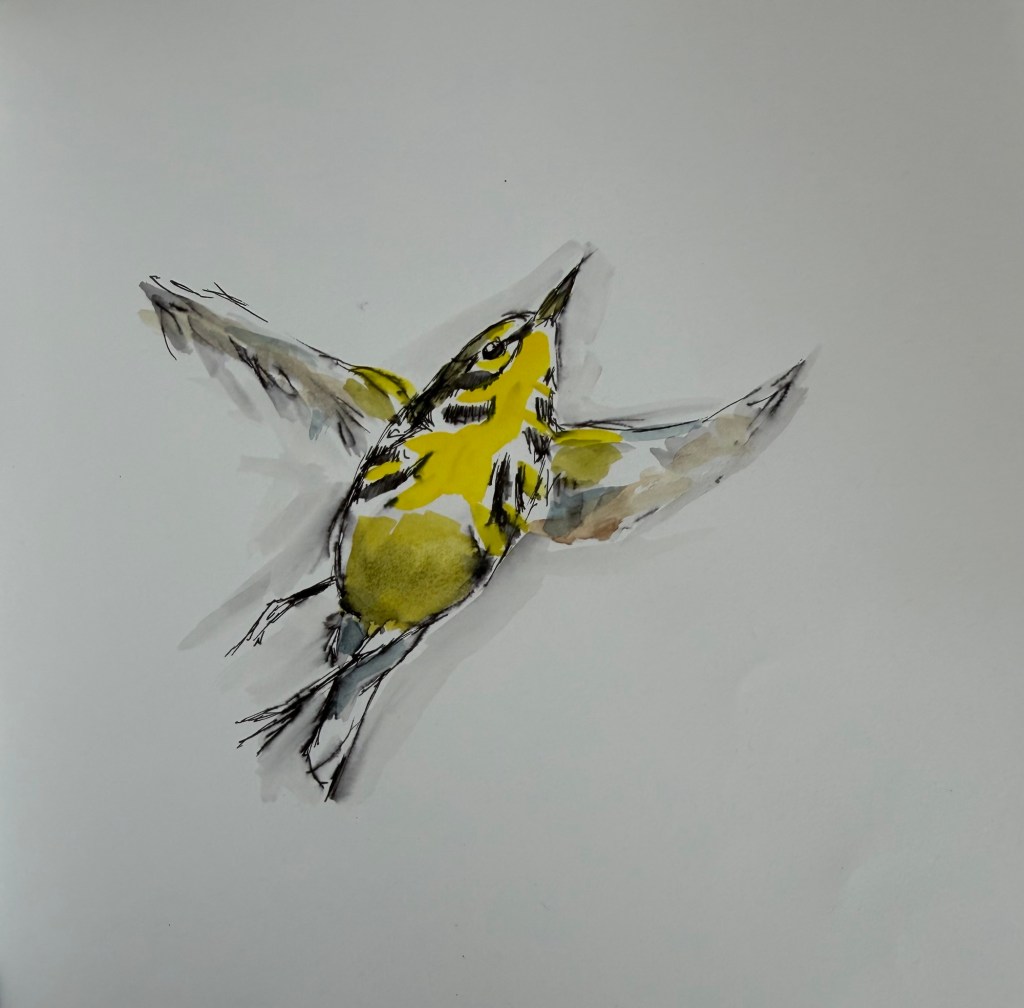
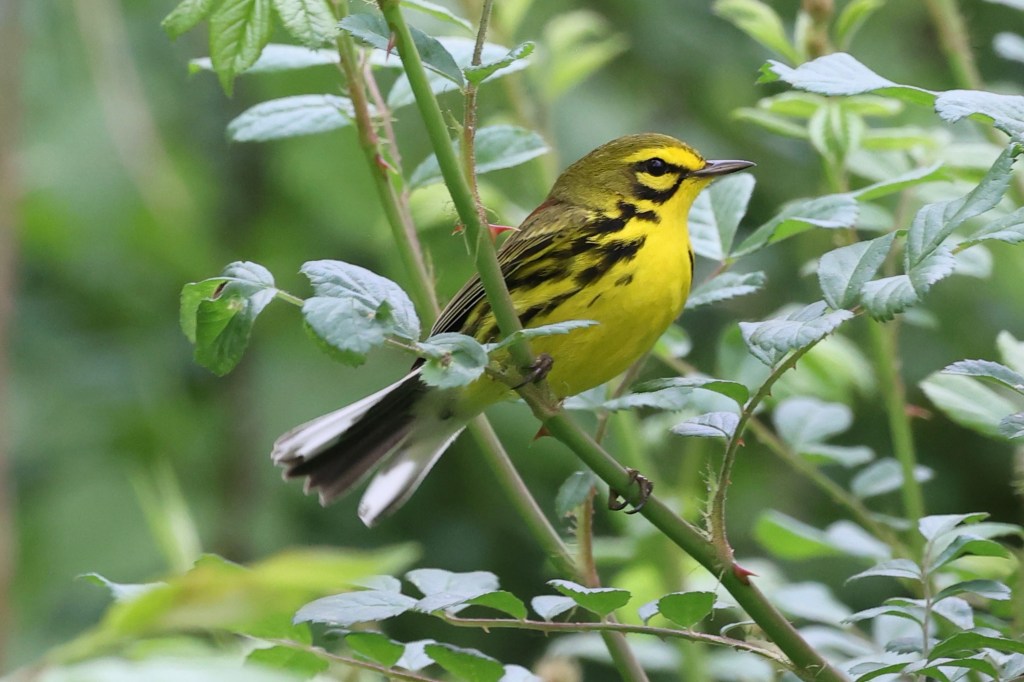
Prairie Warbler, 2025, by Summer Mei Ling Lee

Joseph drove me from that place I freed myself from, where he was a day laborer. He had to change his shirt before he got into the van, where I waited in my impatience to break away. I was reborn like when I collected my kids and my things and my self worth and flew away from her smoldering apartment.

Joseph apologized for keeping me waiting and asked where I was going. Though he meant which hotel, I said I wanted to see his Zambia. Minutes later we were deep in conversation in the local open market. The open aluminum and wood stalls were humming at mid day with babies sleeping in the piles of vegetables and housewares, and women walking in groups with their bags and baskets. I bought vegetables from his aunt, peanuts from a man and his son, and I can’t remember what else, but in a short time his van was full of food. I told Joseph to bring it all home to his wife, what would I do in a hotel with any of that anyway. I was down to my last $20 USD in kwacha, a week’s wages for the better off there, when Joseph said he had understood me now. The last spot he took me was under a tree where women sat on the ground with some vegetables. He told me these women had to take a bus for two hours to arrive to that patch of dirt at the end of the market, to try and sell what little they had. I said for him to pick someone and give her my last bit of money. In a few minutes, he returned to the van with a fistful of onions he threw onto the pile of food. He said the woman was very grateful, told him to tell me thank you, but she had to give me something in return.

I would understand soon that many Zambians were orphaned young, and that famine lingered. They didn’t come out and tell you this directly but a few sentences in and they were missing their mother who was a good church singer, who even while dying asked her son if he had eaten something.

During our drives around the area, Joseph became less a guide and more a confidant. Joseph had some disappointment with his wife, the unfairness at his workplace, the different ways Zambians did things. How his young parents got sick, one after the other, and died. One evening, a story came up that he said he hadn’t told anyone. He had been taken in by an aunt who was mean, making him choose between school and food. He told me more than a few times that he knew what hunger was. He said one night when he was a boy he was dreaming and a voice told him to get up and walk the road. It was 2 am but he did it anyway, along a red dirt road just like the one we were driving along. Pitch darkness except his headlights and our imaginations. He said that he walked about a hundred yards and found coins lying in the dirt. It was enough to let him eat the next day. The next morning no one believed him and he didn’t try to convince them. I said it was an angel, thinking silently to myself about his parents somewhere in a different mode of existence. He said from then on he started to believe in a god, that there was something bigger than all of us that we couldn’t make sense of. His god was loving.

Ten years ago when I had to move thousands of miles away from my native land, I found a nest that fell to the ground in the yard of the home I was about to leave, I separated the fibers and fluff of the nest and sewed them into fifty cards and sent them to everyone across the country and the world who had given me a sense of home. When I told her about the project, she told me, you had to become displaced to find your family.

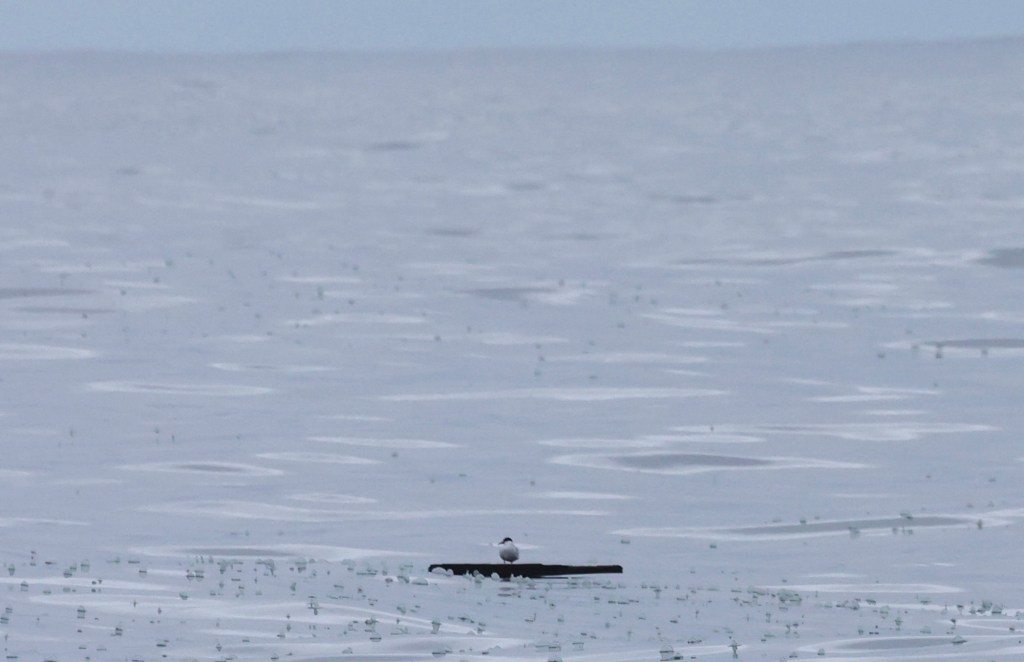
Soon after my time with Joseph, I found myself on four continents within a few months, and home became that tiny piece of driftwood I once photographed, where a Common Tern perched forty miles out at sea with no hint of land anywhere on the horizon.

Adrienne said this is where the utter vastness of patterning arrives to us in 3D rendering. I said Virginia Woolf called it the hidden pattern behind the cotton wool of daily life. I droned on about miracles, and she said: yes, they occur in the crossing, when the pattern breaks through and reminds us of what we are normally cut off from. And then she sent me a poem where multiple realities are happening all at the same time, the most superficial one being a young girl declining a stranger’s invitation.

Are there unlived lives?

Joseph tells me in the same sentence that he is ready to leave the earth, and that he adopted and is raising two orphans of his own.

And yesterday, emerging from the smoke of the western Colorado fires, the Black Grosbeak and the Yellow Warbler alight upon branches within feet of each other and despite everything, sing each other into being.

Common Tern, 40 miles west into the Pacific Ocean by Summer Mei Ling Lee, 2026

“ O Opal / your ear / in my heart / both hear / the glorious void, / preferring the birds.” Jim Harrison

04 Saturday May 2024

Posted by summermlee in Aesthetic philosophy, Art, Birds, Nature, poetry, Uncategorized

≈ 2 Comments

Tags

art, Étienne Souriau, bird watching, birding, birds, birdwatching, George Steiner, Jim Harrison, Martin Shaw, migration, painting, Paul Celan, poetry, Summer Lee, Summer Mei Ling Lee

Life-preserving but not life-giving, he says. Maybe the best critique of art I’ve ever heard. “Nothing is harmed but nothing is thriving either.” The people around here trained their eyes away from the gods, ancestral dead, magic — and sometimes even beauty. Everything is a utility or transaction for something else, and that’s not how the most important things come to exist. And, “The true entrance into us will not occur by an act of will.”

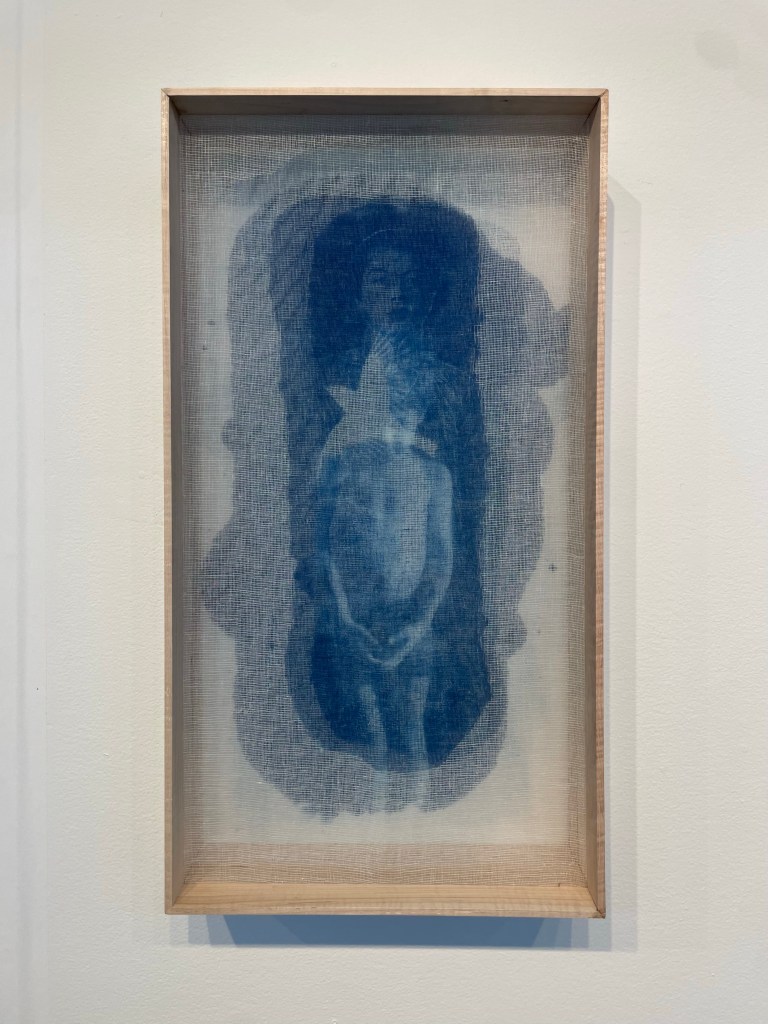
Into the Nearness of Distance, 2024. By Summer Mei Ling Lee. 28 x 15 inches. Cyanotype on three layers of Gauze, wood.

Myself, I want to dance with all that is wild and alive, but am just sometimes scared to. I realize now back on this sky-murdering plane home, full of doubts and in mistake-review mode, I was still greeted that day by gleaming Prairie Warbler, in all his breeding plumage glory. He popped up in front of me when there could have been nothing at all in that sickly, urban forest. Odds are more likely that he would have been a thousand miles further along into Canada, but he was right here. Exactly where I have met so many who I have loved and who have loved me. As he explains, those things we need most in this world are more tangible in the messy, uncertain wild.

Prairie Warbler, the other day.

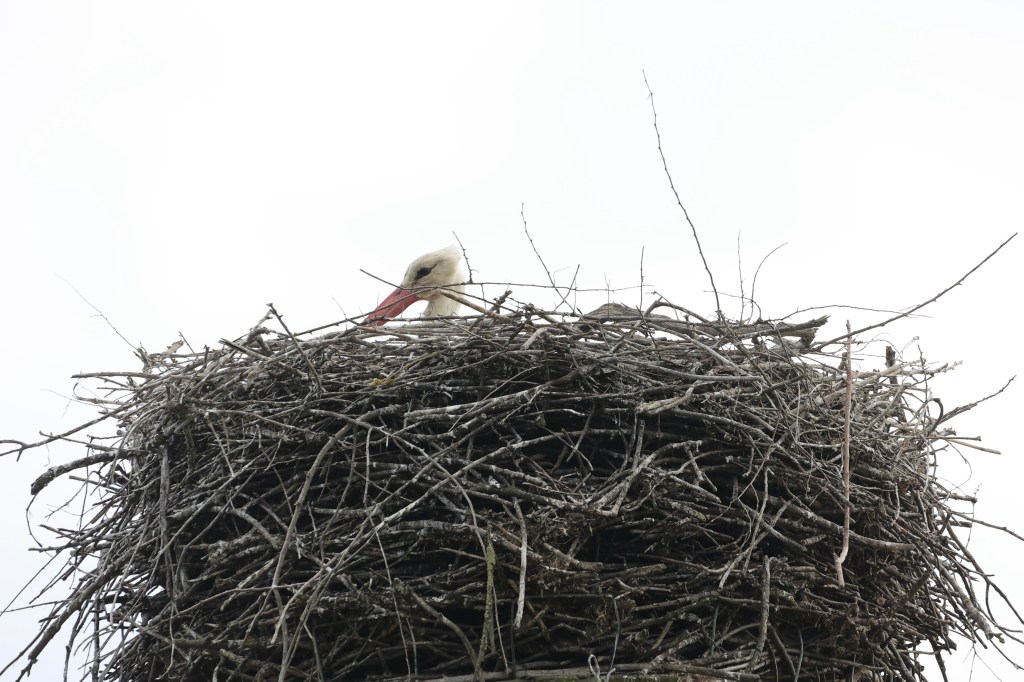
Just two weeks ago, blue-eyed Pietro drove me to a nature preserve that is now tragically a farm, where persists a pole at the side of the field with a platform on top. And up there in a roughly-woven basket structure she stares down at us, telling me something I don’t know how to write, something about fear but also just continuing on despite the hunters. She could live for forty years and knows how to squeeze water from moss into her thirsty chicks’ beaks. For what.

And then he takes me way out where the road barely can be made out anymore, to the last remaining colony of Lesser Kestrels in the eaves of a long-ago collapsed home. He jumps out of his tiny car when he spots them and shrieks like a boy. He delights in telling me when they fly back into view, for a period of time even longer than I still care. He can see them everyday and I will never see them again in my lifetime. And soon no one will. I know why he shrieks, but it’s impossible to write it, even though I feel it in my bones and try every time. I am deeply aware and sorry for that failure.

But after each word, it is impossible not to mention those that understand and keep me company — it’s why she has sent me a bird along her walk. And why he sends that line of poetry. Otherwise it can feel like the people here are dying mostly because they don’t even notice, nonetheless jump out of their car and shriek in delight. I think that’s why Celan threw himself into the Seine river, it becomes overwhelming that the rest of the world swings through the crowd like an ignorantly sharp elbow into a tender bruise.

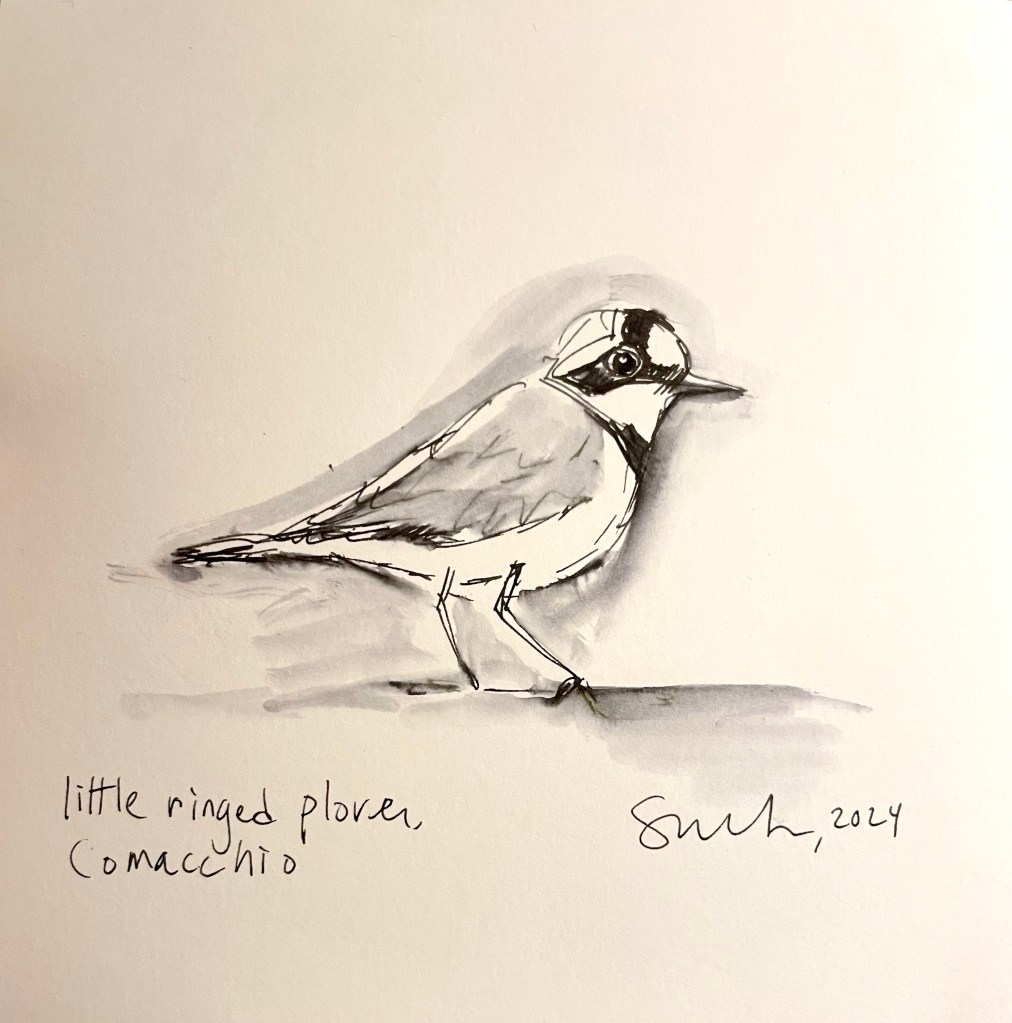
Little Ringed Plover for Fiorenza, by Summer Mei Ling Lee, 2024

She cried openly this time when I left the farm, weeks before the Bee Eaters arrive. This year, I gave her a Little Ringed Plover instead. I am trying to fashion band-aids out of the birds, those little gods and ancestors and bits of magic in the trees. Band-aids for those whose tendernesses in the crowd, including my own, I absurdly want to preserve.

“If we must be careful of any anthropomorphism when studying animals, it is not bad to sometimes do a little zoomorphism when studying man, whose lucidity and power of reasoning are often exaggerated.” (Étienne Souriau, The artistic sense of animals, 1963. My translation).

Enter your email address to subscribe to this blog and receive notifications of new posts by email.

Join 618 other subscribers

Recent Posts

  • “The terrifying groundlessness, the eradication of all violences. To be embraced by that which doesn’t know us and in that unknowing caresses us and truly loves us. We might become anything at all, something wildly other than what we are encountered by. A world that truly loves us by not presuming what we want or what shape we will take before we show up… We will be held when we are not known from the start.” — Dr. Marquis Bey
  • Images dream within us, a reverie is a world of expansion.
  • “For the natural world, the ethical responsibility is that being alive gives existence to others.” Vinciane Despret
  • “We meet in the freedoms of each other.” – Takeyoshi Nishiuchi
  • “Those with wings, those without, / the ghosts of the heart / — whose hunger is a dress for my song.” — Brigit Pegan Kelly

Archived Posts

Blog at WordPress.com.

  • Subscribe Subscribed
    • Unwanted Advice: Reflections from a Self-Appointed Life Counselor
    • Join 214 other subscribers
    • Already have a WordPress.com account? Log in now.
    • Unwanted Advice: Reflections from a Self-Appointed Life Counselor
    • Subscribe Subscribed
    • Sign up
    • Log in
    • Report this content
    • View site in Reader
    • Manage subscriptions
    • Collapse this bar

Loading Comments...